
INTRODUCTION
Hello fellow creators! In this section, I’ll dive into my daily work – editing and designing podcasts. Whether you’re thinking about starting your own podcast or exploring a career in audio, you’re in the right place!
I’ve been working in the audio and podcasting industry for… many years now. (I prefer not to count!) Over the years, I’ve had the privilege of helping countless clients create commercials, movies, cartoons, and, of course, podcasts. And after all this time, I can honestly say—I still love the process.
I love the creativity involved in crafting new designs and experiences for my clients and their audiences. As Hans Zimmer once said, every project feels like starting with a blank sheet of paper. The possibilities are endless, and it’s up to us to decide what happens next.
One important lesson I’ve learned along the way is this: while creating great content is the foundation, the magic often lies in how you present it. No matter how amazing your material is, if the sound quality is poor, it will feel unpolished, incomplete, or even unprofessional.
But here’s a question I find myself asking more and more in 2025: is audio still as important as it once was? Or have we reached a point where people are only consuming the knowledge, paying less attention to how it sounds? Let’s dig into that for a moment!
Perfect video only?

Working in the podcasting industry for years, I’ve noticed an interesting trend: many creators focus heavily on video, often treating audio editing as an afterthought. Want proof? Just take a quick look at job offers for podcast editors—they’re often bundled as “video editors,” with audio editing added as an afterthought. My question is – why? Have we stopped caring about audio?
Here’s the thing: these days, video is everywhere. It’s almost impossible to avoid, and it’s definitely impossible to ignore its growing importance. Nowadays, video is flashy it grabs your attention countless times a day, and has become a powerful tool for selling and promoting content. But when it comes to podcasting, in my opinion video alone isn’t enough anymore.
Why? Because, as a content creator—especially online—you’re facing, or you’re gonna face intense competition. New podcasters and creators are entering the space daily, and this isn’t a trend that’s going to slow down any time soon. The market grows bigger and more crowded every week. That means, to stand out, your material needs to be polished in every single detail. Great content, great video, great audio, and great promotion all work together to help your podcast shine.
Now, to be clear: video matters. I emphasize this all the time in conversations with clients, creators, and anyone I talk to professionally. You should absolutely invest in your video editing, color grading, animations, and all the bells and whistles. But here’s the problem: imagine you’ve spent hours perfecting your video, crafting stunning visuals and jaw-dropping animations, but in the same time your audio is full of background noise, mouth clicks, rustling clothing, and inconsistent levels. It might overshadow all the effort you’ve put into the visual side of your podcast.
Another thing is(which conserns me a lot by the way), we live in a world that’s constantly on the go. Between work, family, and endless to-do lists, people rarely have the time to sit down and watch an entire podcast episode from start to finish. I asked myself recently: when was the last time I watched a full episode of a podcast, distraction-free? The honest answer is brutal – I don’t remember that time.
The reality is that a significant portion of your audience will listen to your content while driving, cooking, jogging, or tackling other daily tasks. They won’t be glued to a screen, and those listeners are the ones who will definitely notice if your podcast doesn’t sound right.
Remember that podcasts were designed to be listened to, not watched. Prioritizing audio quality isn’t just about technical perfection; it’s about showing respect for your audience’s experience.
Clarity is Key
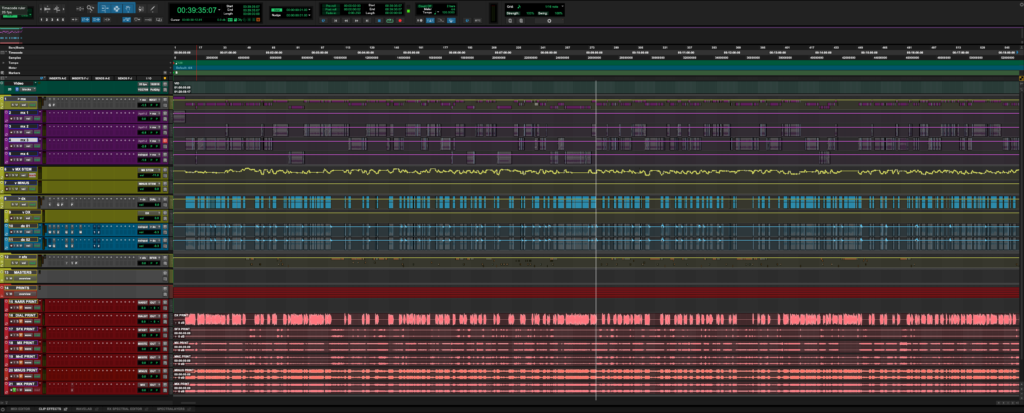
When I think about podcasts—or listening to one—clarity is everything. As I mentioned before, I’m firmly in the no-time crowd, so I listen to content during all my daily activities. That means I’m not sitting in a soundproof studio with perfect listening conditions—it’s the complete opposite. Noisy cars, busy streets, and endless distractions are my reality, and I know many others are in the same boat.
In these situations, poor audio quality can make even the best content hard to follow and, frankly, unattractive. One of the biggest culprits? Speaking flow. For me, it’s incredibly difficult to stay engaged when the host or guests are constantly “uhh-ing” and “umm-ing.” It’s not just a minor annoyance—it’s a real barrier to focus, and I know I’m not the only one who feels this way. And to be clear – We shouldn’t expect from any of speakers to go smoothly without mistakes – they are professionals in their own space, not microphone professionals. Also, they’re always stressed and nervous during the conversation, and that is completely normal and fine, its us who have to help them later in post production.
Time is another big factor. Long episodes aren’t always better, especially in today’s world, where attention spans and patience are in short supply. In almost every podcast I edit, I’ve noticed that filler sounds like “uhs,” “ums,” and awkward silences make conversations feel less smooth and professional. They also make the episode unnecessarily long.
Here’s an example: the raw audio I receive from clients is often 50–60 minutes long. After a detailed edit, it’s typically trimmed down to 40–45 minutes. That means I’ve removed at least 5–10 minutes of unnecessary content—essentially, 5–10 minutes of nothing. And as you know, in today’s fast-paced world, 5 minutes is a lot of time to waste.
By focusing on clarity, you’re not just respecting your audience’s time—you’re enhancing their experience. A clean, concise, and polished podcast is much easier to listen to, whether your audience is driving to work, cooking dinner, or jogging through the park.
Consistency and Professionalism
Maintaining consistent quality in your episodes is crucial, especially as your audience grows. It’s one of the most effective ways to build trust with your listeners. Consistency isn’t just about content; it’s about how your podcast sounds from episode to episode. If listeners know they can rely on clear, smooth, and well-edited audio every time, they’ll keep coming back for more.
Now, it might happen that you can’t record your episode in a professional studio. Maybe you’re recording guests remotely with their laptop microphones or headsets—this is totally fine! Perfection isn’t always possible, and that’s okay. In fact, you can even mention to your audience that the recording conditions are different this time, whether you’re in a café or a normal room, and they’ll appreciate the transparency.
Luckily, today we have a lot of great tools to help make even less-than-ideal recordings sound fantastic. The key is making the most of what you have during post-production.
That said, inconsistent audio quality—whether it’s fluctuating volume, background noise, or awkward silences—can be jarring for listeners. It’s something that can lead them to question the professionalism of your show, or worse, turn them to other podcasts that have better audio.
What’s important is that, through editing, you create a consistent, uniform experience for your listeners. When each episode sounds as good as the last, your podcast becomes a reliable staple in your audience’s routine. This consistency builds your credibility and, over time, helps grow your audience.
Engagement and Connection

Audio is an intimate medium. Unlike video, where viewers can be distracted by visuals, podcasts are all about the listener’s focus and connection with the host and guests. If your audio is clear, crisp, and free from distractions, listeners can tune in more deeply to what you’re saying. They can connect with the content, the energy, and the flow of the conversation.
On the other hand, poor audio quality can create a barrier between you and your listeners. It might sound like something small, but excessive background noise or distorted audio can distance your audience and break that sense of connection. You don’t want your listeners to be distracted by technical issues; you want them to feel like they’re part of the conversation.
This is where editing plays a huge role. By removing background noise, balancing levels, and ensuring smooth transitions, editing helps to create an immersive listening experience. It helps your audience stay engaged and connected to your content. The more engaged they are, the more likely they are to share your podcast, recommend it to others, and keep coming back for more.
Avoiding the Traps of Over-Editing
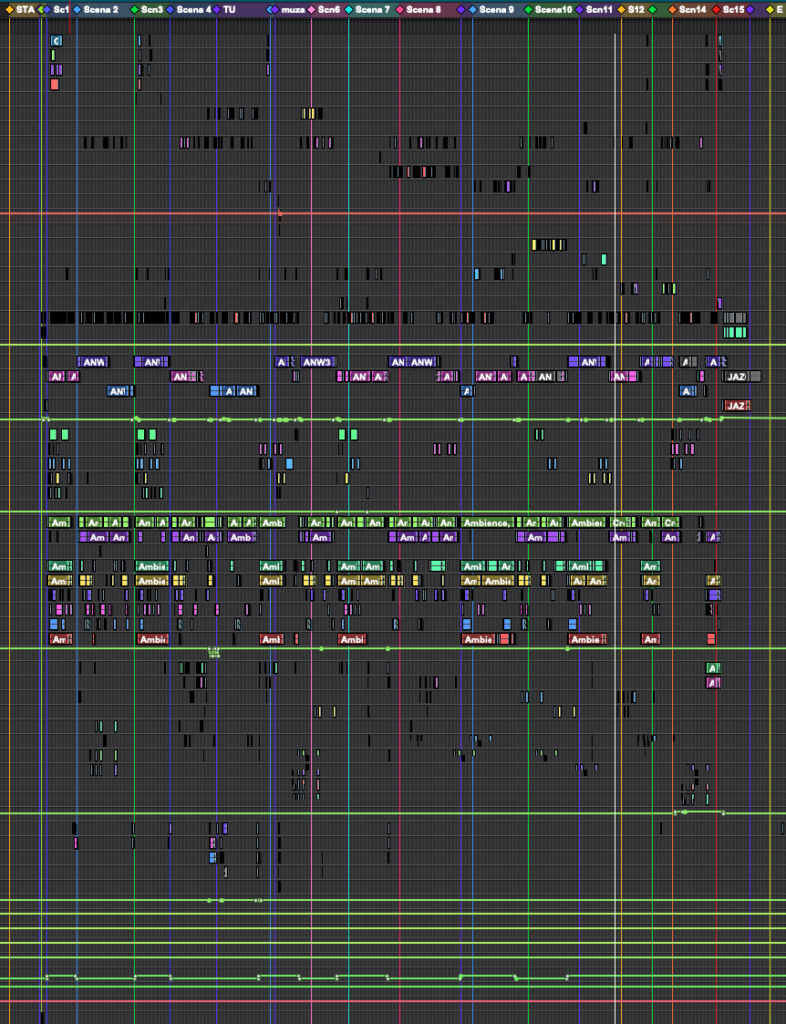
While editing is crucial for creating high-quality audio, there’s a dangerous line between polishing the sound and overdoing it. The goal of audio editing isn’t just to make everything sound clean and crisp—it’s about preserving the authenticity and emotion behind the words.|
It’s not always about your technical editing skills; it’s about connecting with the emotions of your guest. When working with sensitive or emotionally charged topics—like stories of sickness, depression, trauma, or personal struggles—it’s important to maintain the emotional tone. Sometimes, in our pursuit of perfection, we risk losing the raw emotion that makes the content powerful and real.
For example, if a guest is talking about a difficult experience and they break into tears, cutting away those moments or smoothing them out too much can dilute the sincerity of the conversation. Essentially, you lose the truth of the moment. The pauses, stumbles, and cracks in their voice—they’re what make the story feel authentic and impactful.
It’s crucial to strike a balance. You still want to remove distracting sounds like “ums” or background noise, but be careful not to cut out the vulnerable or powerful moments that add depth to the conversation.
So, when editing sensitive topics, ask yourself: Does this edit help the conversation flow better without sacrificing the emotional weight? If not, leave the space for truth and emotion. Editing shouldn’t just be about technical accuracy—it should honor the emotional journey your guest or host is taking the audience on.
By being mindful of this balance, you ensure that your editing doesn’t interfere with the connection you’re trying to create with your listeners. In fact, it’ll amplify it, making the message resonate even deeper.
Summary and What’s Next

To wrap things up, audio editing isn’t just a technical skill—it’s a critical part of making your podcast truly stand out. It’s about creating a clear, consistent, and engaging listening experience for your audience. While video may grab attention, great audio is what keeps people coming back.
In this article, we’ve discussed the importance of editing your podcast with care, ensuring clarity, maintaining professionalism, and avoiding over-editing to preserve the emotional depth of your content. But this is just the beginning!
In future articles, I would love to dive even deeper into the world of podcast editing. We’ll explore how to enhance your audio with music and sound effects, how to use audio plugins to make your sound even better, and we’ll share more advanced techniques to take your podcast production to the next level.